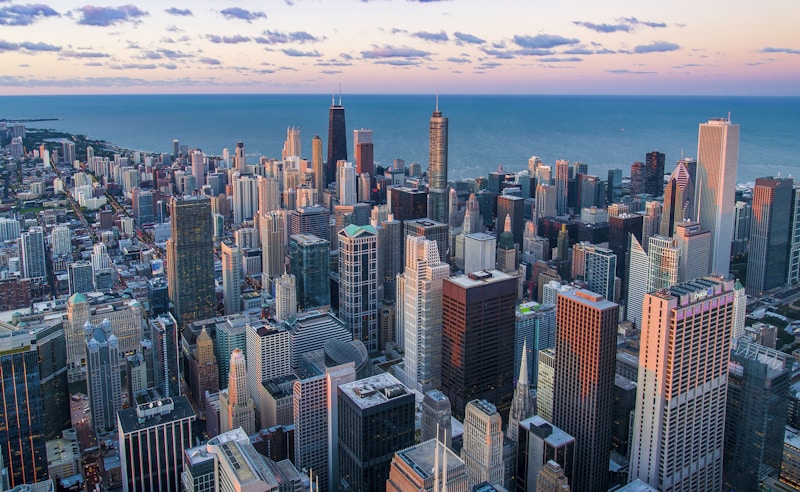
Baton Rouge Echoes Lyon’s Riverside Charm
April 9, 2026
The scent of simmering gumbo drifts from a kitchen door just as a street musician slides a tinny blues riff onto the cracked pavement. It’s a smell that makes you pause, inhale, and wonder if you’ve wandered onto a French riverside promenade instead of the capital of Louisiana. The air is warm, the humidity sticks to your skin like a light veil, and a distant bell from the Capitol Tower rings with a rhythm that feels oddly familiar.
✅ Louisiana State Capitol – towering glass and marble, a modern twist on a Renaissance square ✅ USS Kidd Museum – a steel leviathan that anchors the riverfront like a historic warship in a French port ✅ Capitol Park Museum – interactive galleries that echo the Musée des Confluences vibe ✅ Main Street Historic District – pastel façades and wrought‑iron balconies that mirror Vieux Lyon’s alleys ✅ Magnolia Mound Plantation Historic Site – ante‑bellum gardens that whisper of Southern aristocracy
🤖 AI Insight: An 81% match means Baton Rouge scores 8.2 for visual appeal, 7.6 for street topology, and 8.0 for amenity density. In practice, the city’s skyline and riverfront vistas earn the high vision rating, while the grid‑like layout of downtown and the winding lanes of the historic district push the topology score into the upper‑70s. Amenity density is bolstered by a concentration of museums, eateries, and public spaces that sit within easy walking distance of each other, mirroring the compactness of Lyon’s Presqu’île.
Strolling down Main Street, the pastel‑painted buildings seem to lean into one another, their balconies festooned with blooming geraniums. A small French‑style bakery on Perkins Road offers buttery croissants that sit beside plates of jambalaya, a culinary mash‑up that feels like a Provençal fête after a night of Mardi Gras revelry. The Louisiana State Capitol, the tallest in the state, rises above the scene like an Italian campanile, its observation deck offering a view that sweeps from the Red River’s gentle curve to the sprawling campus of LSU. Across the river, the USS Kidd Museum anchors the waterfront, its decks echoing the clatter of French naval vessels that once patrolled the Saône.
Yet the comparison isn’t flawless. While Lyon’s streets are paved with smooth stones that whisper under each footfall, Baton Rouge’s historic core still bears patches of uneven brick and occasional pothole, a reminder that the city’s infrastructure is still catching up with its European aspirations. The heat in summer can also be oppressive, far beyond the mild Mediterranean climate that Lyon enjoys, so timing your visit matters.
The Capitol Park Museum rounds out the experience, its modern glass façade reflecting the river like a mirror. Inside, exhibits trace the intertwined histories of the Mississippi Delta and the Rhône Valley, drawing unexpected parallels between the two regions. A short walk north brings you to Magnolia Mound Plantation Historic Site, where oak‑lined avenues and meticulously restored ante‑bellum rooms provide a quiet counterpoint to the downtown bustle.
Getting There
Arrive via I‑10 and head east on River Road until you hit Main Street; the city’s core is a compact 15‑minute walk from the interstate. The best time to experience the "Lyon, France of North America" vibe is early October, when the river fog lifts and the leaves turn amber, tempering the humidity. For a true taste of the city’s European feel, stop at Café du Bayou on Perkins Road around 9 a.m.; order a café au lait and a shrimp po’boy, then linger on the sidewalk to watch the world drift by.
Want to Explore More?
Discover Baton Rouge and other European-style cities across North America.