Cancún Echoes Barcelona’s Flair on the Caribbean Shore
April 29, 2026
The first thing that hits you on Avenida Kukulcán is the salty tang of the sea mingling with fresh‑cut mango, a scent that drifts from nearby fruit stalls and makes the air feel electric. A distant saxophone wails from a rooftop bar, its notes slipping over the turquoise water like a lazy breeze. The pavement underfoot is a mosaic of smooth stone and reclaimed wood, each step echoing the rhythm of a city that never quite pauses.
✅ Plaza de la Cultura – a civic square framed by marble fountains and open‑air concerts. ✅ Museo Maya de Cancún – a sleek museum that houses relics of the ancient Yucatán. ✅ Parque Cancún Underwater Museum – sculptures submerged for divers and snorkelers. ✅ El Rey Ruins – a compact Maya site that whispers of pre‑colonial life. ✅ Parque Kabah – a green oasis with walking trails and a lake.
🤖 AI Insight: A 79% match means Cancún mirrors Barcelona in three measurable ways. Vision scores 8.2/10, reflecting the city’s clear, pastel‑hued streets that spill onto a bright shoreline. Street Topology at 7.5/10 captures the grid‑like layout of Avenida Kukulcán and the organic twists of Calle 60, reminiscent of Barcelona’s Eixample blocks. Amenity Density registers an 8, thanks to the concentration of museums, plazas, and beachfront cafés that keep the pulse steady.
Walk east from Plaza de la Cultura and you’ll find yourself on Calle 60, where taco al pastor carts line colonial arches that seem lifted from a Catalan market. The aroma of sizzling pork competes with the faint perfume of bougainvillea, and locals chat in a rapid mix of Spanish and Yucatecan slang. A short detour brings you to the Museo Maya de Cancún, its glass façade catching the sun like Gaudí’s mosaics, while the exhibits inside narrate a story that predates any European influence.
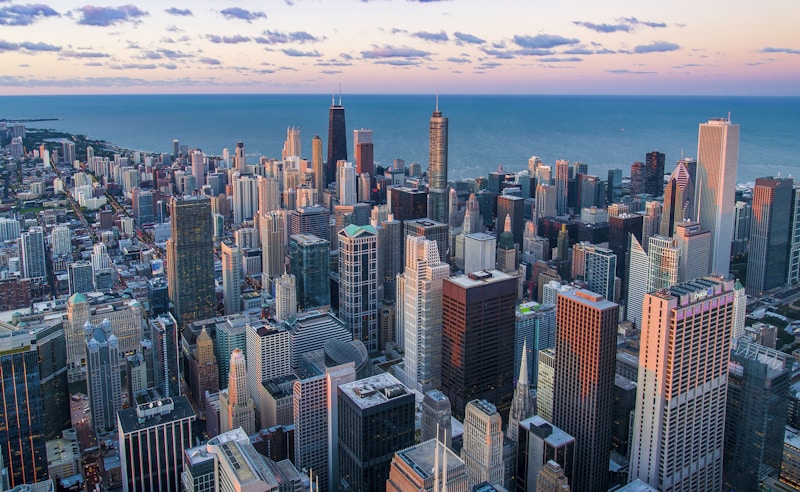
Further north, the Hotel Zone rises like a modernist skyline, its towers angular and daring, echoing the sculptural daring of Sagrada Família. At sunset, the beachfront glows in amber and magenta, a light show that feels lifted straight from a Catalan coast, yet the occasional stray seagull squawking over a beach bar reminds you this is still the Caribbean. The one hiccup? The traffic on Avenida Kukulcán can swell to a crawl during high season, a far cry from Barcelona’s more fluid flow, and it can test even the most patient traveler.
Getting There
Take the Federal Highway 307 south from the airport and follow signs to Avenida Kukulcán; the main arteries—Boulevard Kukulcán and Avenida Bonampak—lead directly to the Hotel Zone and the historic downtown. The sweet spot for visiting is late November to early March, when humidity drops and the sea stays warm enough for a dip. For a coffee break that captures the city’s dual identity, head to Café Nader on Avenida Kukulcán at 8 a.m.; the espresso is strong, the view of the lagoon is clear, and the morning crowd is just beginning to stir.
Want to Explore More?
Discover Cancún and other European-style cities across North America.