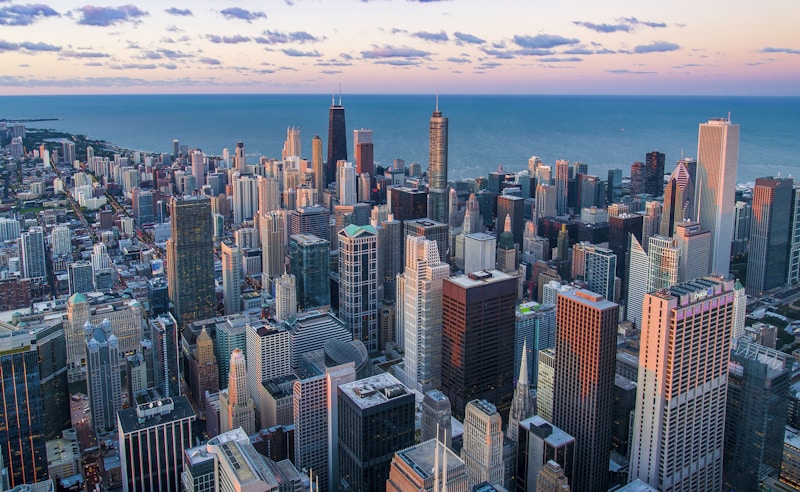
Gainesville Echoes Heidelberg’s Old‑World Charm
April 13, 2026
The first thing that hits you on Westside Market’s cobblestones is the smell of fresh‑baked sourdough mingling with roasted coffee, a scent that drifts up from the tiny cafés tucked between iron‑handed stalls. A distant train whistle punctuates the hum of cyclists, and the stone beneath your shoes feels uneven, like the ancient streets of a German Altstadt. It’s a reminder that Gainesville’s rhythm is built on texture and sound, not just sunshine.
✅ University of Florida Historic Campus – red‑brick Gothic arches and the river‑crossing Main Mall ✅ Paynes Prairie Preserve State Park – lantern‑lit evenings over rolling grasslands ✅ Westside Market – cobbled lanes and artisan shops reminiscent of a weekly market square ✅ Hawthorne Bridge – a steel span that frames the river like a photograph of a medieval crossing ✅ Depot Park – riverfront green space with a playful splash of modern design ✅ University Avenue – a tree‑lined promenade that feels like a scholarly promenade
🤖 AI Insight: An 80% match tells us Gainesville mirrors Heidelberg in three measurable ways. Vision scored 8.1, meaning the city’s visual density—brick façades, water‑front vistas, leafy avenues—creates a cohesive, photograph‑ready scene. Topology at 7.9 reflects the winding, yet walkable street grid that guides visitors from campus to market without feeling disjointed. Amenity density earned an 8.2, showing a high concentration of cafés, museums, and green spaces within a compact radius, the same balance Heidelberg enjoys.
Stroll along University Avenue and you’ll sense the same scholarly promenade that winds past Heidelberg’s Philosophenweg. The avenue’s canopy of oaks and magnolias creates a dappled tunnel, while historic statues peer down at students hurrying to lecture halls. Across the river, the Hawthorne Bridge offers a postcard view of the campus’s Main Mall, a broad, tree‑lined boulevard that cuts through the historic core much like the Neckar‑lined Altstadt. The bridge’s ironwork, though modern, echoes the sturdy stone arches of old European crossings.
Westside Market, with its cobbled lanes, is the place where locals barter fresh produce, handmade jewelry, and the occasional handmade pretzel. The market’s rhythm is punctuated by street musicians playing folk tunes on acoustic guitars, a soundscape that feels lifted from a German market square. A short walk north brings you to Depot Park, where a sleek, concrete pavilion sits beside the Santa Fe River, offering a place to pause and watch paddle‑boarders glide by. The park’s design is contemporary, a subtle reminder that Gainesville’s European feel FL vibe is still a work in progress.
The one honest caveat: Gainesville’s summer humidity can turn the historic brick pathways into slick, sticky surfaces, a far cry from Heidelberg’s crisp, alpine air. Visitors should plan indoor interludes—perhaps a museum or a cool café—when the heat peaks.
Getting There
From I‑75, take exit 388 for US‑441 North, then follow the signs to University Avenue; the route threads past the campus’s red‑brick façades and leads directly to Westside Market. The best time to visit is late October, when the trees blaze in amber and the evenings are cool enough for lantern‑lit walks on Paynes Prairie. Pro tip: stop at Bold Bean Coffee on University Avenue for a cold brew and a seat on the patio; the view of the historic clock tower across the street makes the perfect pause before you wander toward the prairie.
Want to Explore More?
Discover Gainesville and other European-style cities across North America.