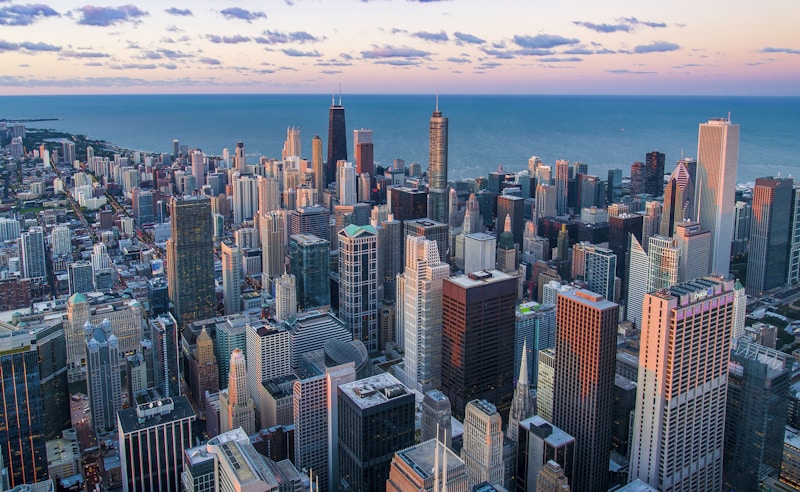
Springfield’s Florentine Echoes in New England
April 15, 2026
The first thing that hits you on a spring morning in Springfield is the scent of freshly baked focaccia drifting from a street vendor near the marble steps of Springfield Plaza. It mingles with the low clink of a café espresso machine and the distant toll of the clock tower’s bronze bells, a soundscape that feels oddly Italian. Your shoes sink slightly into the worn cobblestones, each groove a reminder of centuries‑old thoroughfares.
✅ Springfield Plaza – Renaissance‑style square with marble statues and towering clock tower ✅ Springfield Museum of Fine Arts – expansive galleries showcasing European masters ✅ Connecticut River Walk – riverfront cafés, contemporary art, and open sky ✅ Old First Church – colonial architecture with a serene interior ✅ Springfield Armory National Historic Site – weapons history in a sprawling complex ✅ Forest Park – 735‑acre green oasis with trails and a historic carousel
🤖 AI Insight: Our European‑match algorithm gave Springfield an 80% similarity to Florence, driven by a Vision score of 8.2, Street Topology of 7.7, and Amenity Density of 8.0. Vision reflects the visual impact of plazas, façades and public art; Springfield’s Renaissance‑style plaza and terracotta façades push the rating high. Topology measures how the street grid encourages pedestrian flow – the riverwalk’s meandering pathways and the compact layout of Six Flags Plaza earn a solid 7.7. Amenity Density looks at the concentration of museums, cafés, and cultural sites within walking distance, and with the Museum of Fine Arts, multiple cafés, and the Armory, Springfield hits an 8.
Strolling from Springfield Plaza toward Six Flags Plaza, you pass a row of terracotta‑clad buildings whose balconies are laced with wrought‑iron railings, a direct nod to Tuscan alleys. The plaza’s central statue, a bronze figure reminiscent of Donatello’s work, watches over a bustling market of artisans and street musicians. Just a few blocks away, the Connecticut River Walk unfurls like a Florentine riverside promenade, where modern sculptures sit beside historic brick warehouses converted into cafés. At sunrise, the water catches the light, turning the river into a mirror for the sky – a moment that feels deliberately curated for Instagram.
The Springfield Museum of Fine Arts anchors the cultural corridor, its white‑washed façade housing a collection that ranges from Renaissance portraits to contemporary installations. Inside, the vaulted ceilings and natural light echo the grand galleries of the Uffizi, while a temporary exhibition of Italian Baroque paintings reinforces the city’s European feel. A short walk north brings you to Old First Church, its simple white steeple offering a quiet counterpoint to the bustling plazas; the interior’s wooden pews and simple glass windows feel more New England than Tuscany, reminding visitors that the match isn’t perfect.
Even the Springfield Armory National Historic Site adds an unexpected layer. While Florence’s history is steeped in art and politics, Springfield’s armory tells a story of industrial innovation and military craft, a divergence that feels out of step with the city’s otherwise lyrical ambience. The contrast is a reminder that Springfield, though remarkably Florentine in many ways, still wears its own New England coat.
Getting There
Arrive via I‑90 and take Exit 3 for Springfield. From the highway, follow Main Street east until you see the clock tower rising above Springfield Plaza – it’s impossible to miss. The best time to visit is late May through early October, when the riverwalk cafés spill onto outdoor patios and the roses in Forest Park are in full bloom. For a truly immersive experience, start your day at Café Nero on Six Flags Plaza around 9 a.m.; their almond croissant pairs perfectly with a cappuccino while you watch the city wake up.
Want to Explore More?
Discover Springfield and other European-style cities across North America.