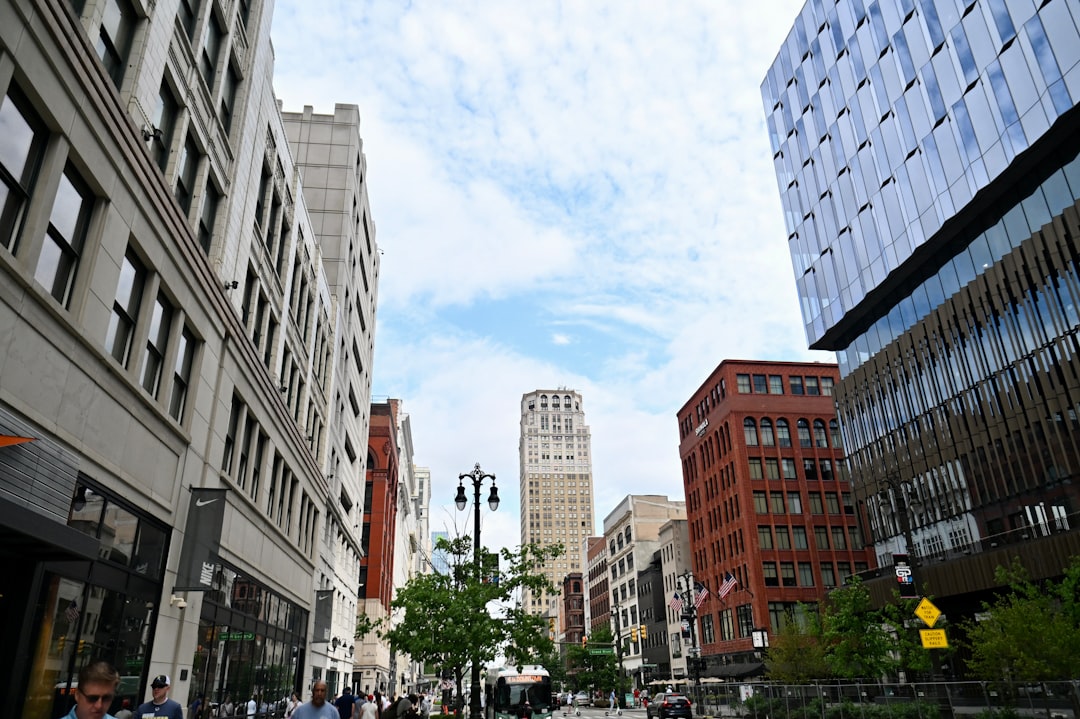
Why this match works: Based on 12 factors including architecture style, street density, coastline type, climate data, and walkability scores. Detroit and Berlin share similar urban DNA.
European Twin
Berlin
How we calculate the match score
7.6
Architecture
40%
Building styles, rooflines, materials, facade ornamentation
8.3
Street Layout
30%
Road curvature, block size, grid irregularity vs organic growth
8.2
Walkability
30%
Cafés, markets, transit, parks per km²
Tap a score to see how it's measured · Total = Architecture × 40% + Layout × 30% + Walkability × 30%
Why It Feels Like Berlin
Detroit's post-industrial renaissance maps precisely onto Berlin's post-reunification story: vast hulks of industrial architecture colonised by artists and entrepreneurs, entire neighbourhoods reinvented from rubble by creative energy in buildings that cost almost nothing. The techno connection is literal — Detroit's originators directly invented the genre that defined Berlin's clubs. Midtown's cultural corridor and Corktown's restored 19th-century brick blocks channel Mitte and Prenzlauer Berg with the same gritty ambition.
What's Different from Berlin
- • Detroit is larger — 4,400,000 metro vs Berlin's urban core
- • American urban planning shows in wider streets and more parking
- • Less centuries-old architecture, but Detroit compensates with preserved historic districts
👁️ AI Vision Check
Click to run our AI vision model on the city photo and score architectural resemblance to Berlin.
Top 4 Places to Visit
Detroit Institute of Arts
museum
Corktown
neighbourhood
Eastern Market
market
Belle Isle Park
park
Similar European-Style Cities


Want More European-Style Cities?
Explore 348 cities across North America that feel like Europe.